 Round
Round Oval
Oval Cushion
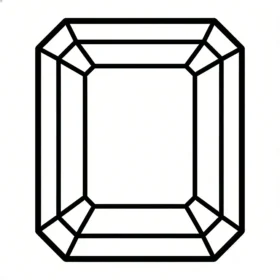 Emerald
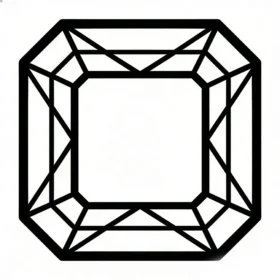 Radiant
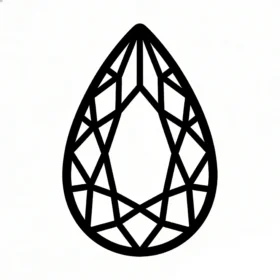 Pear
Pear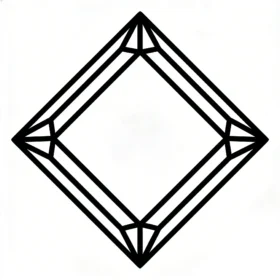 Princess
 Marquise
 Heart
Heart Asscher
 Blue
Blue Gray
Gray Pink
Pink Red
Red Yellow
 White
White Green
Green Black
Black Purple
 Champagne
 Colored
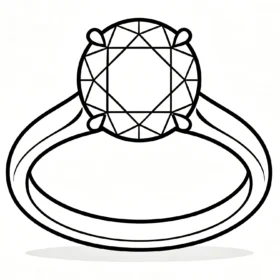 Round Engagement Rings
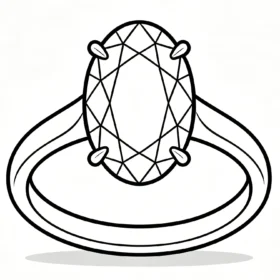 Oval Engagement Rings
 Marquise Engagement Rings
 Pear Shaped Engagement Rings
 Emerald Cut Engagement Rings
 Princess Cut Engagement Rings
 Heart Engagement Rings
 Cushion Cut Engagement Rings
Moissanite
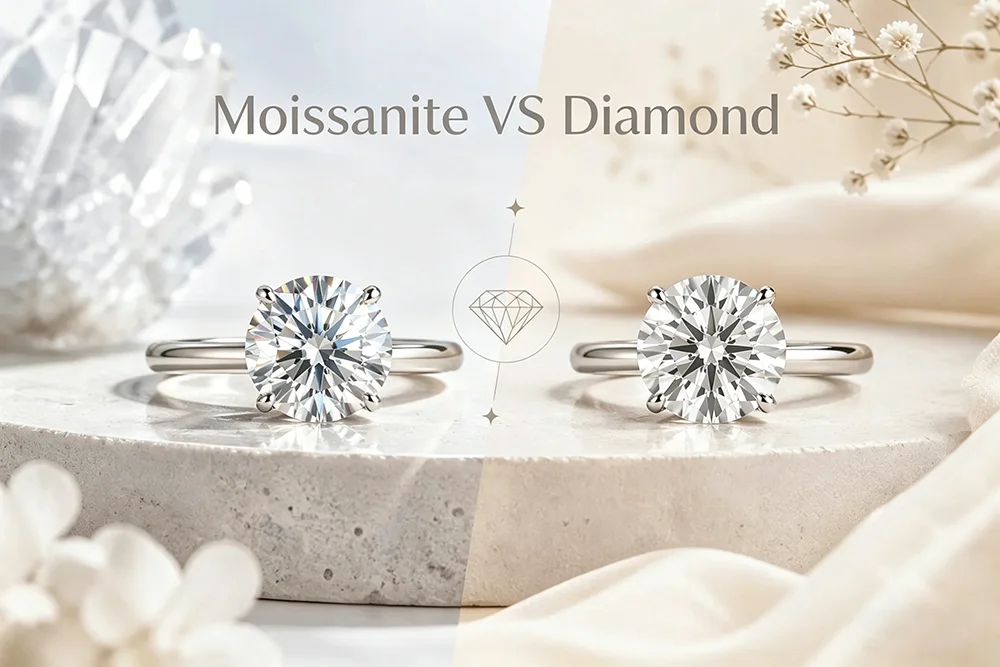
Moissanite vs Diamond: A Full Comparison Guide
Apr
Many people may feel confused when they choose fine jewelry: should they go for the recently hot-selling moissanite, which is cost-effective, or the classic diamond? Actually, don’t feel confused, this guide will explore the contrasts between the two from every aspect, so customers can quickly make the best choice that suits them.
Table of Contents
First of all, let’s figure out the essence of two.
What is Moissanite?
Moissanite is a gem-grade mineral that is composed of silicon carbide. Thanks to its specific origin, moissanite is often called “a gem from the stars”.
The discovery of moissanite dates back to 1893, when the French chemist Henri Moissan discovered it in a meteorite crater in Arizona, USA. He once mistook it for a diamond. It was not until many years later that this gemstone was actually silicon carbide. Therefore, this stone was named “moissanite” after its discoverer.
Moissanite is quite rare in nature. And the most moissanite stones on the market are lab-grown. Thanks to the advanced technology, scientists can create high-quality moissanite stone in a controllable environment, which has stable quality, traceable in origin, and does not rely on mining.
So here is an important advantage of moissanite. Compared with traditional diamonds and gemstones, the moissanite is more environmentally friendly and has a lower carbon footprint.
With the rising conception of saving money and sustainability, moissanite is gradually turning into a significant alternative to diamonds. Today, it is widely applied in various jewelry designs, especially in engagement rings.
What is Diamond?
Diamond is a mineral that naturally forms from carbon under high pressure and high temperature on Earth, and it is a core symbol of traditional jewelry. Due to its exceptional hardness and rarity, diamonds have been widely applied in important occasions with the meaning of love and eternity, and it’s a classical jewelry in luxury industry.
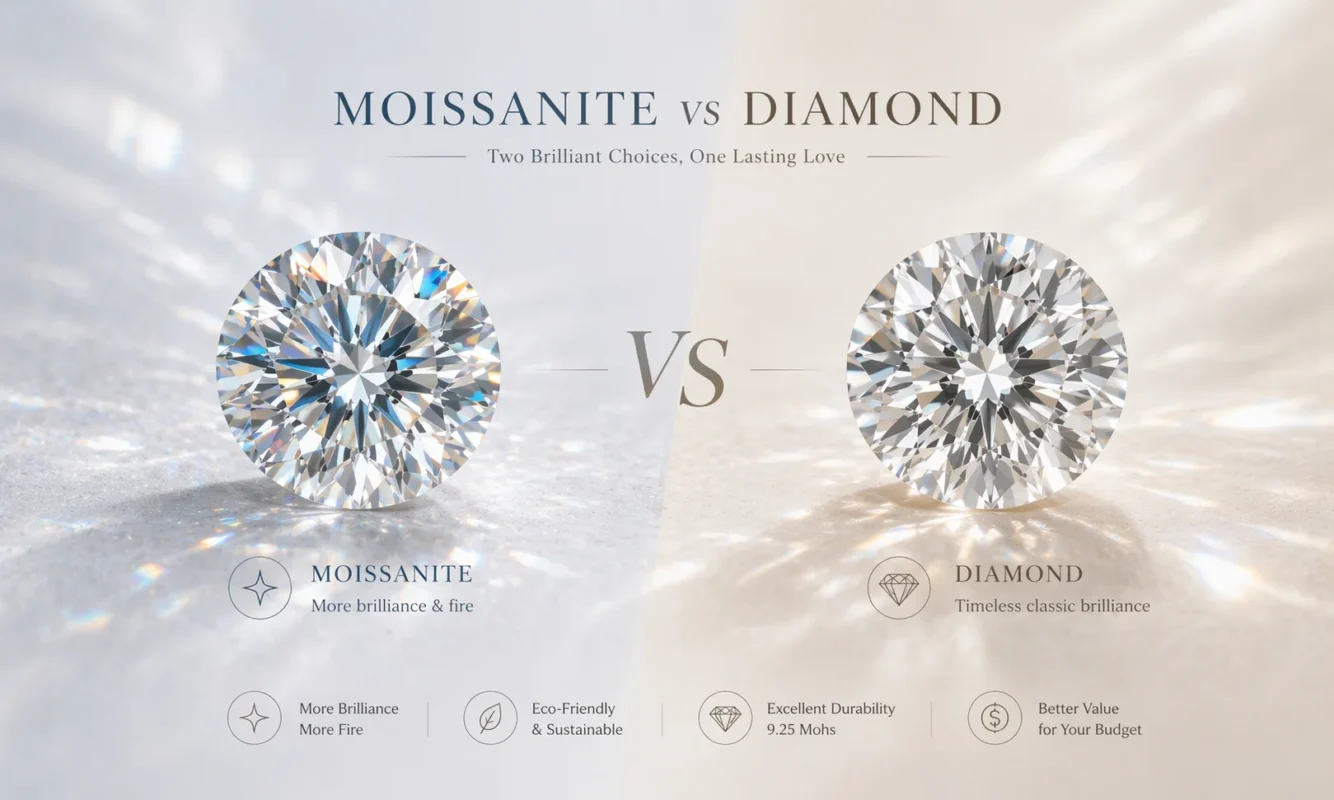
Moissanite VS Diamond: 7 Dimensions to Identify Differences
1. Fire and Brillance
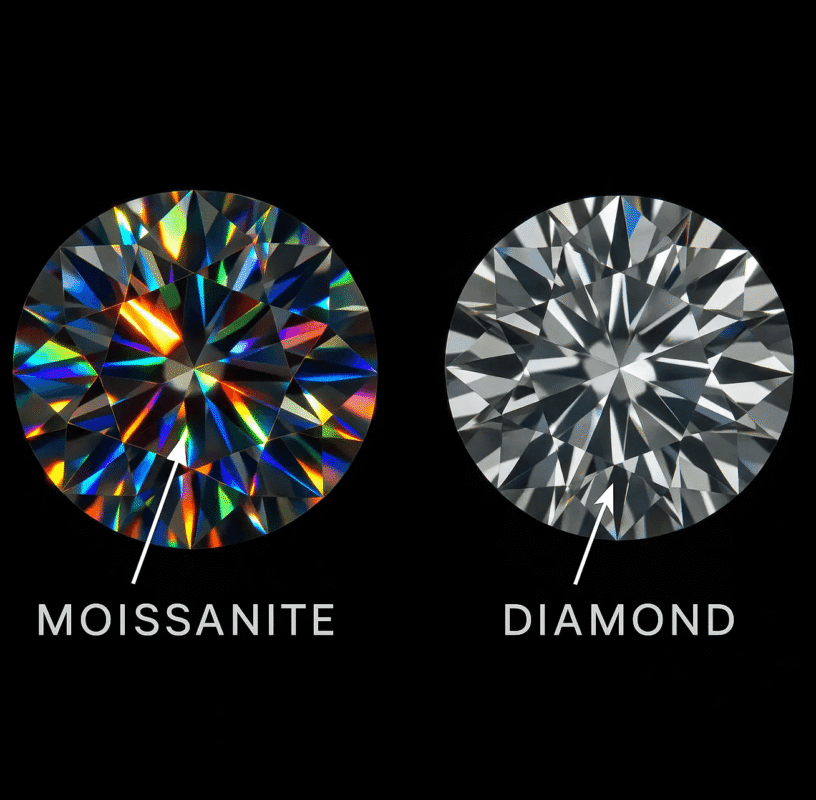
You can hardly distinguish the difference with the naked eye, but moissanite and diamond have detailed differences in fire and texture.
Moissanite: Moissanite has a dispersion value of 0.104, which is twice that of natural diamond at 0.044. So the fire of moissanite is more like a rainbow color with more intense brilliance. Moissanite can show blurred, doubled facet edges when using a magnifying glass.
Diamond: diamond has a white fire with understated, refined luster with no double vision.
Conclusion: If you prefer a bold and shining appearance, you can choose moissanite. If you like classic and sophisticated style, a diamond is for you.
2. Price Difference
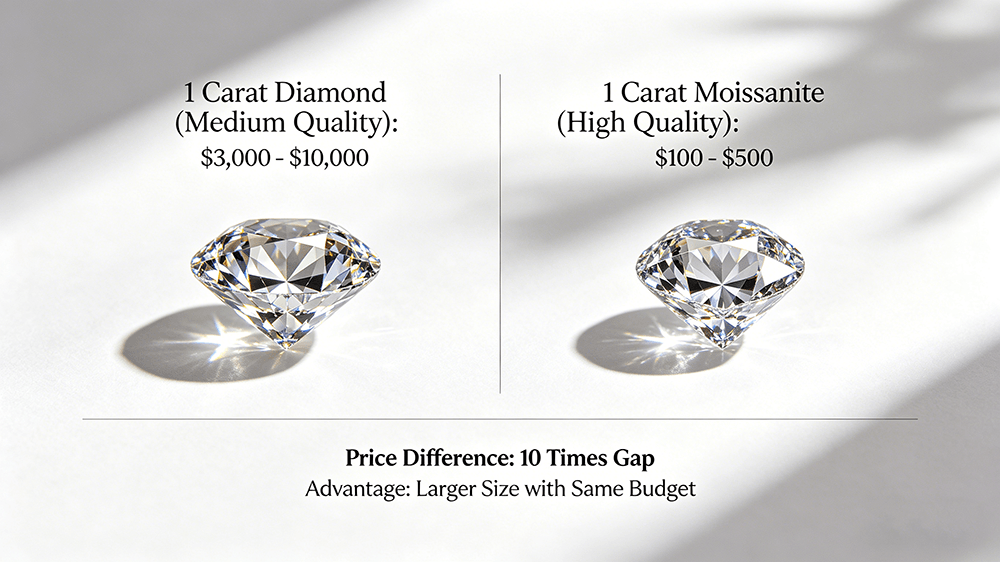
That’s the main difference between the two. According to the latest market price, the price gap can be as much as 10 times.
1 Carat diamond(medium quality):$3,000-$10,000, and the price is higher for high-quality grade.
1 Carat moissanite(high quality): $100 – $500
Advantage: You can buy moissanite jewelry in a larger size under the same budget. That’s suitable for people who value size but have a limited budget.
3. Hardness and Durability
Diamond: With a hardness of 10 on the Mohs scale, the diamond is the hardest natural mineral on earth, which is highly resistant to scratches and abrasion.
Moissanite: Moissanite has a Mohs hardness of 9.25, second only to diamond and harder than other gemstones. So it’s perfect for daily wear and can withstand abrasion.
4. If Can Pass Diamond Tester
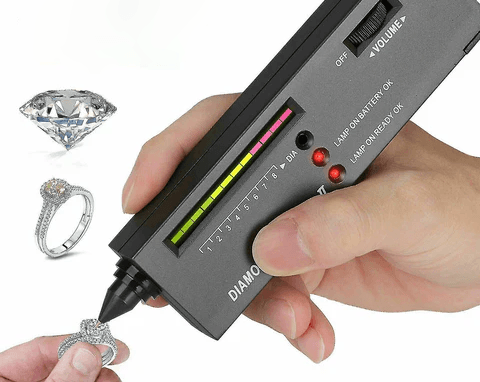
Many people misunderstand that the diamond tester can 100% distinguish between the two; however, that’s not the case.
Since moissanite and diamond have similar thermal conductivity, the most basic diamond tester can not distinguish the two, only the professional tester with an added conductivity detection function that can tell which one is moissanite and which one is diamond.
5. Certification
Certification is the most reliable and authoritative way to distinguish the two. Diamonds often come with GIA certification, which indicates the diamond and detailed parameters, including color, clarity, cut, and weight. But the moissanite usually only has a brand certification or GRA certification, which indicates moissanite. So the certificate is equivalent to their identity card. Be sure to request the certification to verify.
6. Price Preservation
Diamonds are not a hard currency in the market. Their price preservation ability is much lower than that of precious metals such as gold. The recycling price of an ordinary small-carat diamond is only 30%-50% of the original price. Only the big-carat and high-grade diamond preserves price ability.
Moissanite almost has no price preservation ability. But thanks to its reasonable price, the moissanite is a highly cost-effective consumer product.
7. Environment & Ethics
Diamond: The process of diamond mining may involve blood diamonds, and the mining process may also have certain side effects on the environment.
Moissanite: Moissanite stone is totally lab-grown, and it has no damage to mining and the environment, which is in line with the current environmental protection conception.
Bestsellers
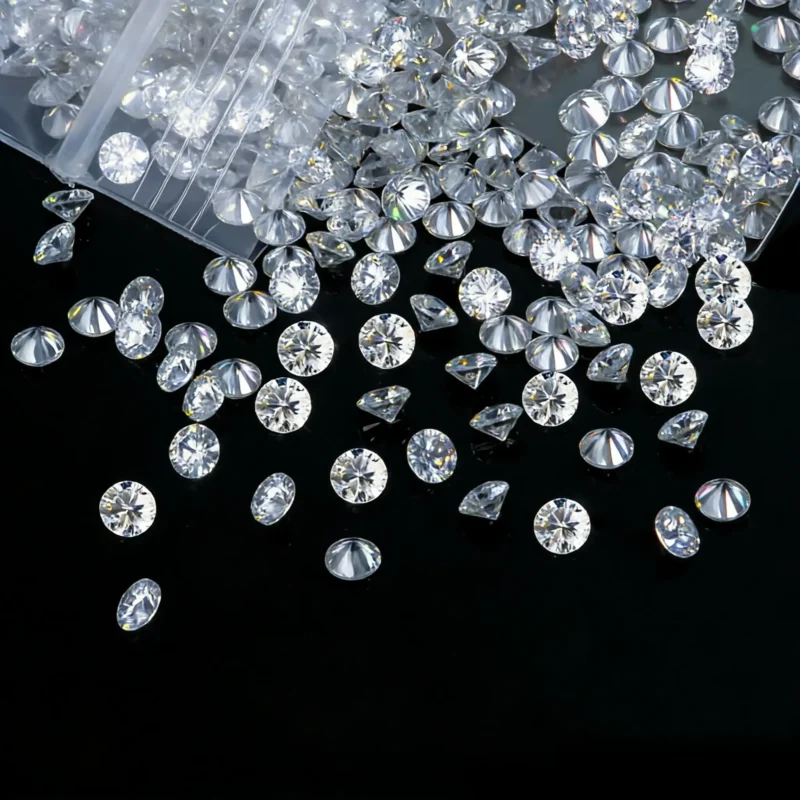
0.002-0.1ct Round Cut D Color VVS Moissanite Melee
$15.00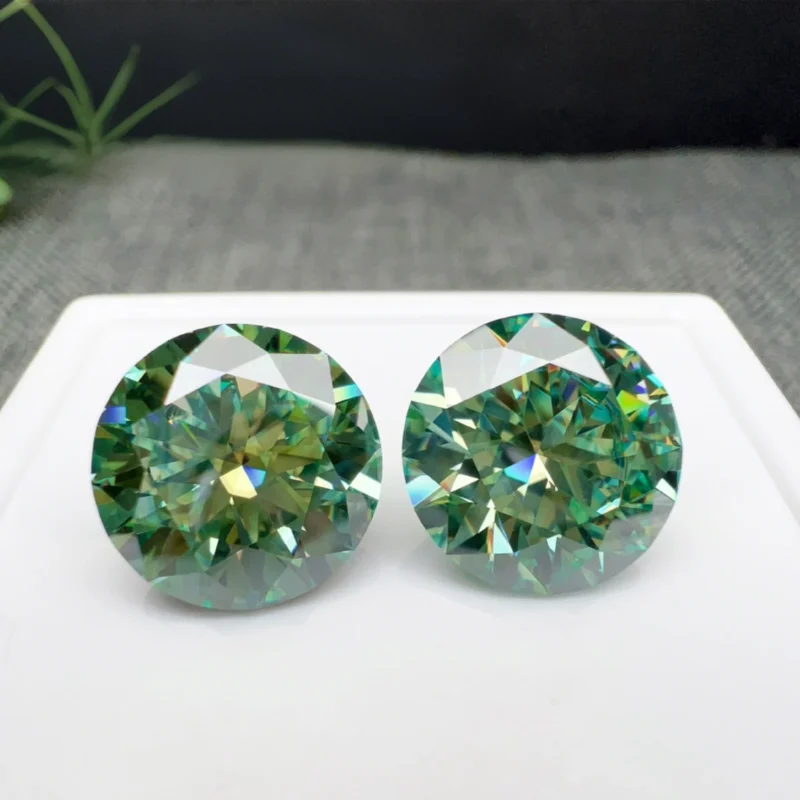
0.1-10ct CRA Certified Round Green Moissanite Loose Stones
Price range: $3.80 through $55.70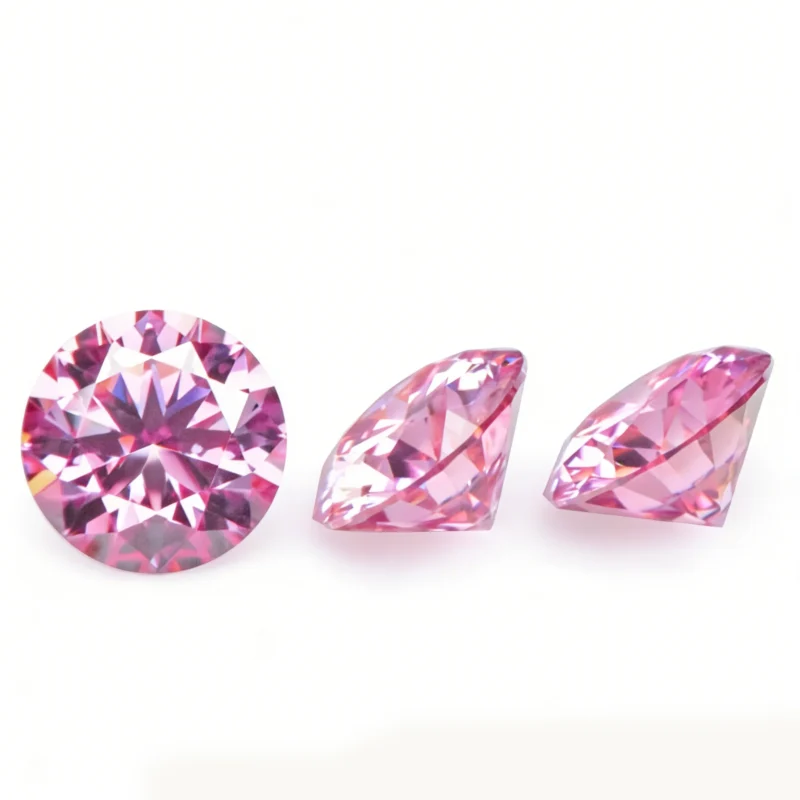
0.1-10ct CRA Certified Round Loose Pink Moissanite Stones
Price range: $5.20 through $195.20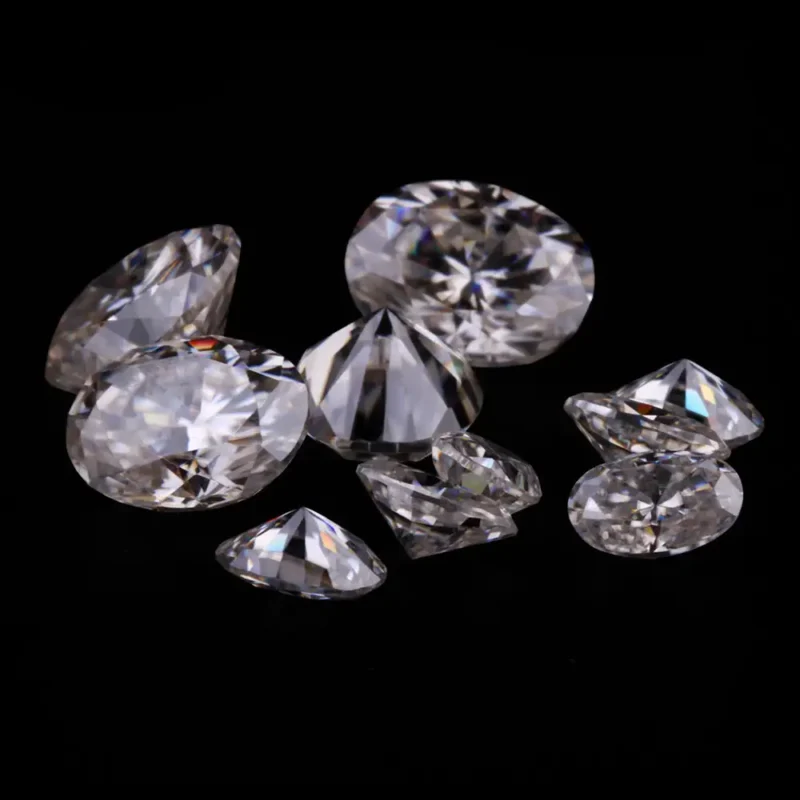
0.1-10ct D-Color Loose Oval Moissanite Stones
Price range: $5.99 through $333.50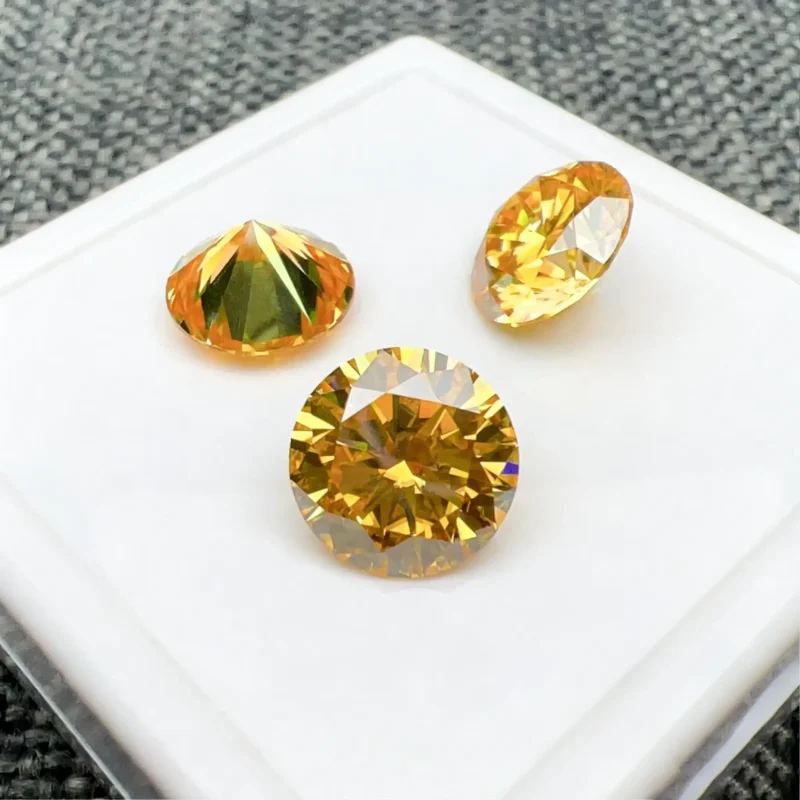
0.1-10ct Round Loose Yellow Moissanite Stones
Price range: $4.10 through $120.00
0.1-12ct D-Color Loose Emerald Cut Moissanite Stones
Price range: $5.99 through $399.90
How to Choose High-quality Moissanite Stones or Moissanite Jewelry?
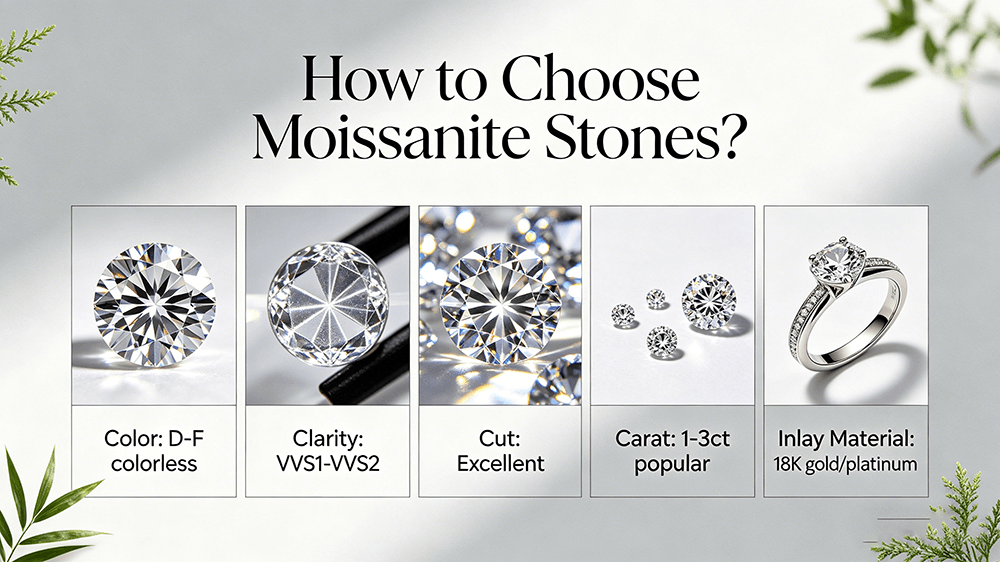
There is a great diversity between different moissanites on the market. Some low-priced moissanite may have an obviously cheap feel. If you seek high-grade moissanite stones, there are 5 core parameters that you should focus.
Color: Color is the key factor of moissanite, and we highly recommend you choose a colorless grade like D/E/F as these grades have pure and transparent color. These grade moissanite stones look close to diamonds. Don’t choose grades under G grade, which tend to have a yellow tint and give a cheap feelings.
Clarity: Clarity determines the purity of moissanite, and we recommend you choose the VVS1/VVS2 grade, which has almost no internal flaws and the transparent look is perfect with the naked eye. If you have a limited budget, you can choose VS grade. But don’t lower the SI grade.
Cut: Cut determines the brilliance of moissanite, and a poor cutting may ruin the best material and make the stone look dull. The round brilliant cut is the perfect choice, as it maximizes moissanite’s brilliance and can surpass other cuts. If you like a fashionable and unique look, you can choose the oval or cushion-shaped cutting styles. These styles have a high level of appearance and a stronger design sensibility.
Carat: One of the advantages of moissanite is its high value for large carats. You can choose a different size for different occasions. 0.5-1.5ct size seems understated and not overly exaggerated; it is the perfect size for daily wear. If you want to achieve visual impact and create an amazing effect, you can choose 2 carats or larger with a simple bezel, which can not only highlight the brilliance but also won’t be too aggressive.
Inlay Material: The interlay material is equally important to the high-quality moissanite stones. We highly recommend 925 sterling silver, 18k gold, or platinum material. These materials are less prone to fading color, oxidation and can also highlight the transparency of moissanite. Don’t select the cheap coated material, which not only easily turns black but also irritates sensitive skin.
Moissanite vs Diamond: Which is Better?
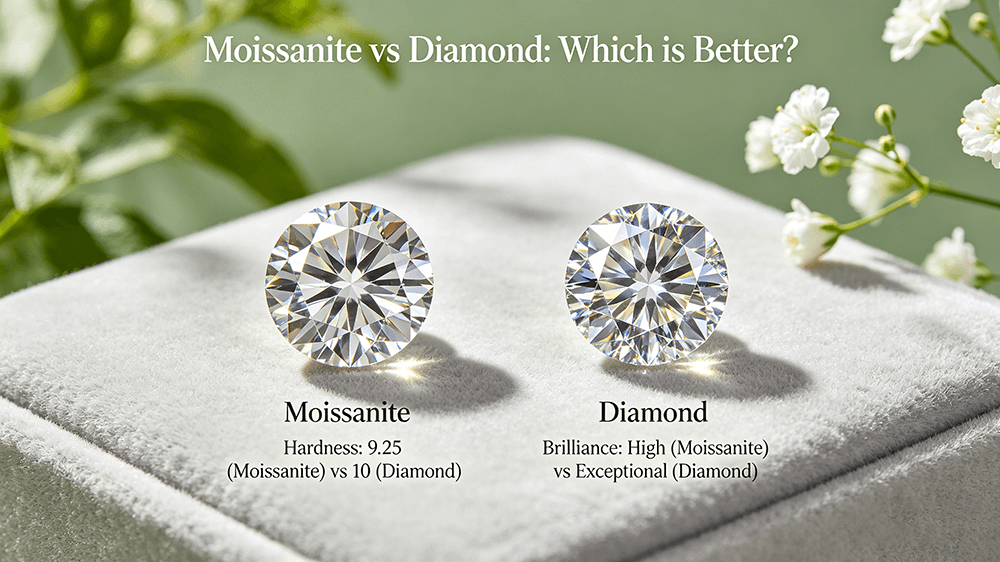
There is no standard answer when choosing between moissanite and diamond. The key lies in which stone suits your need and value. For more and more rational customers today, this choice is not only a symbol of meaning but also concerns more about appearance, budget control, and value recognition.
If you care about fire and visual impact and hope to get a larger size and a higher cost-effectiveness within your budget, moissanite is no doubt an attractive option. The brilliance of moissanite is even more outstanding in some angles than that of a diamond. Thus, moissanite is the best option for those who seek an eye-catching effect.
If you prefer the visual effect of a classical diamond or have emotional value or traditional beliefs on the naturally formed diamond, the diamond is always your first choice. Follow your heart and find the best one for you.
FAQ about Moissanite VS Diamond
1. How to Clean a Moissanite Ring?
It’s very simple to clean the moissanite ring daily. Just prepare a bowl of gentle water, drop some jewelry cleaning solution, immerse your ring in the water, and gently brush the detailed parts, especially inlaid parts, with the soft toothbrush. After finishing cleaning, rinse it with running water and dry it with soft paper or under natural. To keep the best luster, we highly recommend that you clean every month.
2. How is Moissanite Made?
Almost all mossanites on the market are cultivated in laboratories. The main material of moissanite stone is silicon carbide, and scientists combine the silicon with carbon to form a crystal structure under a high-temperature and high-pressure environment. This crystal has the same structure with the natural moissanite. This process usually takes several weeks to several months to ensure stable gem quality.
3. Is Moissanite a Diamond?
No, moissanite is not a diamond. Although these two look very similar in appearance, their essences are totally different. Diamond is a natural mineral composed of pure carbon, while moissanite is a man-made gemstone made of silicon carbide. So the two have very obvious differences in physical structure and chemical composition.
4. Where Can I Buy the Moissanite Ring?
Compared with the diamond, the moissanite is less popular in the traditional jewelry store. So the style is very limited offline. Most customers prefer to buy through an online jewelry brand or professional e-commerce store, which usually provides more styles as well as transparent pricing and parameters.
